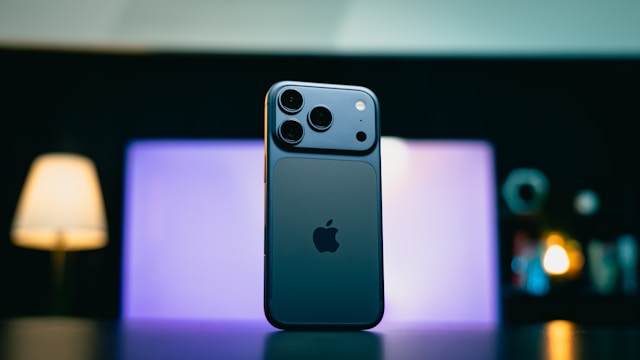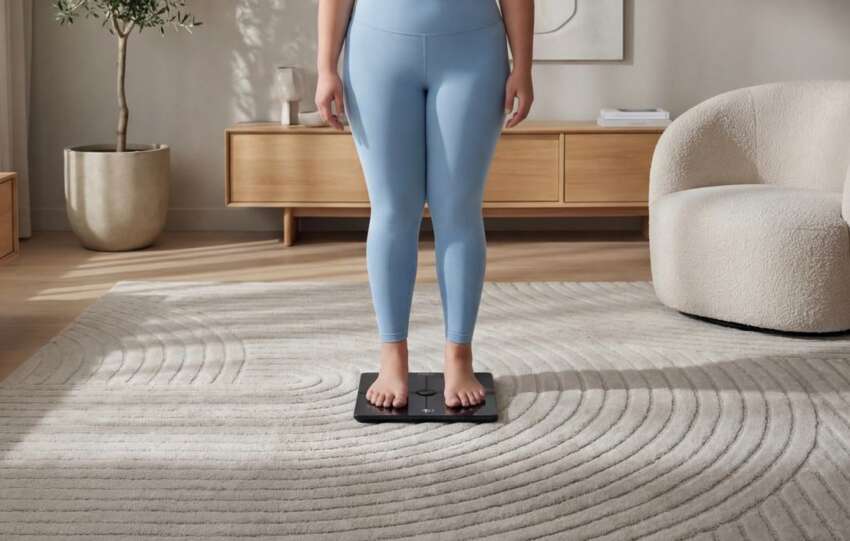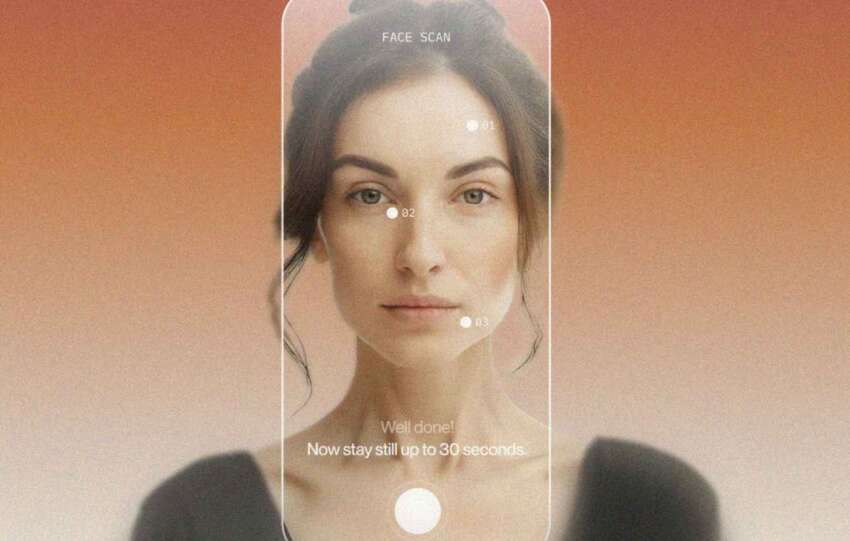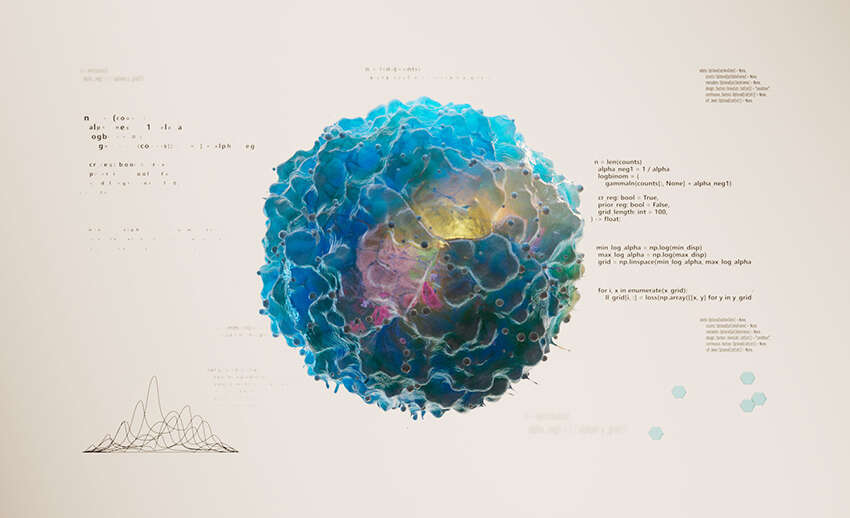
Microsoft has unveiled a new health-focused version of its Copilot system, signalling a major push into AI-powered personal health assistants.
The platform is designed to analyse and interpret multiple streams of health data, including medical records and data generated by wearable devices. By combining these datasets, the system aims to help users better understand their…
TECH
Sleep has quietly become one of the most valuable windows into human health.
Over the past decade, wearable devices and sensor platforms have made it possible to capture detailed physiological data while people sleep. What began as consumer sleep tracking has evolved into something far more significant: the development of predictive health AI systems that…
Wearable devices are evolving from passive health trackers into interactive computing platforms. One of the technologies driving this shift is gesture control — the ability for a device to interpret hand or finger movements as digital commands.
Gesture control wearables detect subtle muscle signals or motion patterns and translate them into inputs for digital systems…
Dr Mikael Mattsson, Phd Mikael Mattsson is CEO at exercise intelligence company svexa, which creates algorithms and software for decision support for sports teams, elite and recreational athletes, as well as hardware and software companies in the sports and health tech industries. He lives in Menlo Park, California. Follow him on Instagram. Visit svexa.com and…
The idea sounds outlandish at first: strap on a headset, run a faint electrical current through your skull, and feel your depression lift. Yet that’s exactly what Flow Neuroscience has built and, according to its data, it works.
Founded by two psychiatrists who grew frustrated by the limits of antidepressants, Flow began as an academic…
Sam Altman is not incentivised to be a doom-monger.
Maybe that’s why the OpenAI CEO’s recent blog post, The Gentle Singularity, casually noted that “we are past the event horizon” (the point of no return) but, don’t worry: everything’s going to be fine and super-intelligent machines aren’t going to rule the world for at least…
Wellness isn’t the first thing you associate with getting behind the wheel of a car, is it? After all, sedentary time spent increasing your blood pressure while someone cuts you up or expanding your waistline as you absent-mindedly shovel a family pack of sweets into your mouth to alleviate the boredom of sitting in traffic…
Professor Michael Levitt Professor Michael Levitt is a biophysicist and received the Nobel Prize in Chemistry in 2013. He has been professor of structural biology at Stanford University since 1987. He holds South African, American, British and Israeli citizenship. He lives in California. Follow him on X. Visit the Michael Levitt Lab.
Dr Michael Levitt:…
Andrew Herr Andrew Herr is the founder and CEO of performance concierge service Fount and a leader in human performance optimisation. He has worked with elite athletes and the US military, where he spearheaded groundbreaking biotech and human performance studies. Follow him on X. Visit fount.bio.
Super-soliders and elite civilians are coming
Human enhancement technologies…
Dr Dominic D’Agostino Dr Dominic D’Agostino, PhD, is Associate Professor with tenure at the University of South Florida, teaching at the Morsani College of Medicine and the Department of Molecular Pharmacology and Physiology, with a specific focus on neuropharmacology, medical biochemistry, physiology, neuroscience, and neuropharmacology. He is also a research scientist at the Institute for…