Fitness has historically been personal.
You train to improve strength, endurance, or appearance. Progress is tracked individually. Outcomes are largely private.
Hybrid fitness competitions introduce a different model.
They turn training into something measurable, repeatable, and comparable across individuals and locations.
Hybrid fitness competitions are structured events that combine multiple training modalities—typically strength, endurance, and…
Enhanced, the company behind the Enhanced Games, has launched an online personalised performance medicine and supplement platform and said it plans to expand further into peptides. The initial rollout includes proprietary supplement blends, hormone replacement therapy for men and women, and other longevity-focused protocols.
That matters because this is not just a product extension. It…
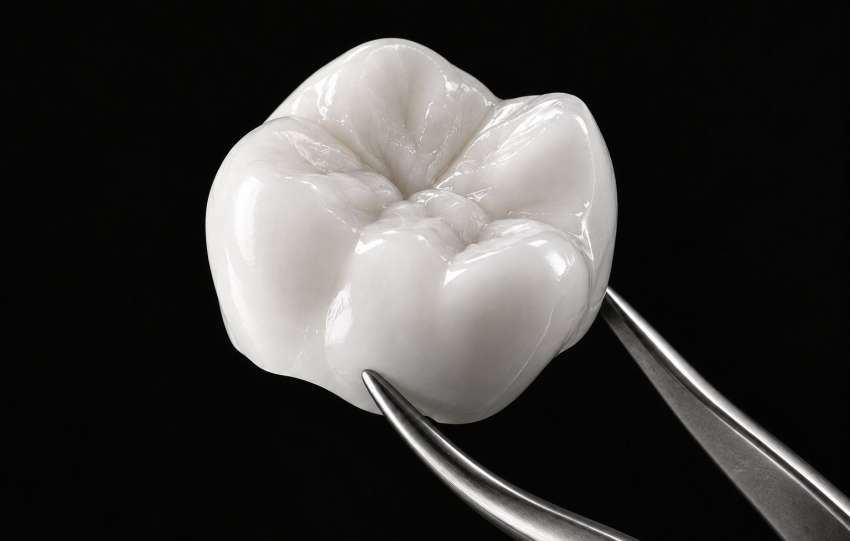
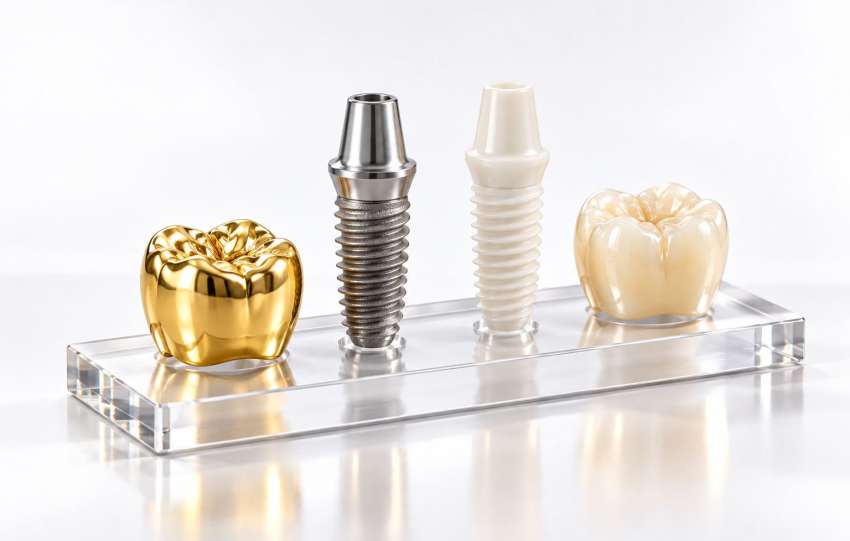
Biological dentistry is an approach to oral healthcare that views the teeth, gums, and jaw as part of an interconnected biological system, where dental materials, infections, and procedures can influence systemic health through immune, neurological, and inflammatory pathways.
That definition captures a shift that is still under-recognised in mainstream care. Conventional dentistry has historically focused…
A new category is emerging at the intersection of artificial intelligence, wearable technology, and digital health: the AI health assistant.
For years, digital health tools focused on collecting data. Fitness trackers counted steps. Smartwatches measured heart rate. Health apps logged sleep or nutrition.
The missing piece was interpretation.
AI health assistants aim to fill that…
A clinical trial examining a fasting-mimicking intervention has reported improvements in several metabolic markers associated with ageing and chronic disease risk, adding to the growing body of research exploring fasting-based nutritional strategies.
The study evaluated the metabolic impact of a structured fasting-mimicking protocol designed to simulate many physiological effects of fasting while allowing limited nutrient…
Startup Temple has raised $54 million to develop a wearable device designed to track brain activity, signalling increasing investment in consumer neurotechnology.
The company is developing a head-worn device capable of monitoring neural signals in order to generate insights about cognitive performance, mental states, and brain health.
While brain-computer interfaces have historically been confined to…
Wearable health technology has spent the past decade focused on the body.
Smartwatches measure heart rate. Smart rings track sleep and recovery. Continuous glucose monitors observe metabolic responses.
The next frontier may be the brain.
Brain-monitoring wearables represent an emerging category of consumer neurotechnology designed to capture electrical activity produced by the brain and translate…
Microsoft has unveiled a new health-focused version of its Copilot system, signalling a major push into AI-powered personal health assistants.
The platform is designed to analyse and interpret multiple streams of health data, including medical records and data generated by wearable devices. By combining these datasets, the system aims to help users better understand their…
Sleep has quietly become one of the most valuable windows into human health.
Over the past decade, wearable devices and sensor platforms have made it possible to capture detailed physiological data while people sleep. What began as consumer sleep tracking has evolved into something far more significant: the development of predictive health AI systems that…
Wearable devices are evolving from passive health trackers into interactive computing platforms. One of the technologies driving this shift is gesture control — the ability for a device to interpret hand or finger movements as digital commands.
Gesture control wearables detect subtle muscle signals or motion patterns and translate them into inputs for digital systems…