A biological dentist and a conventional dentist hold the same licence. In the UK both are registered with the General Dental Council, both took the same degree, and neither can practise without the other's qualification. There is no separate register, and no recognised specialty.
What differs is everything downstream: which materials go in the mouth,…
More than an hour after stepping off the main stage at the Health Optimisation Summit in London, Dr Dominik Nischwitz is still talking. The questions that started at the side of the stage followed him up to the gallery balcony, after a steward on a health and safety mission moved everybody on. "I'm not leaving…
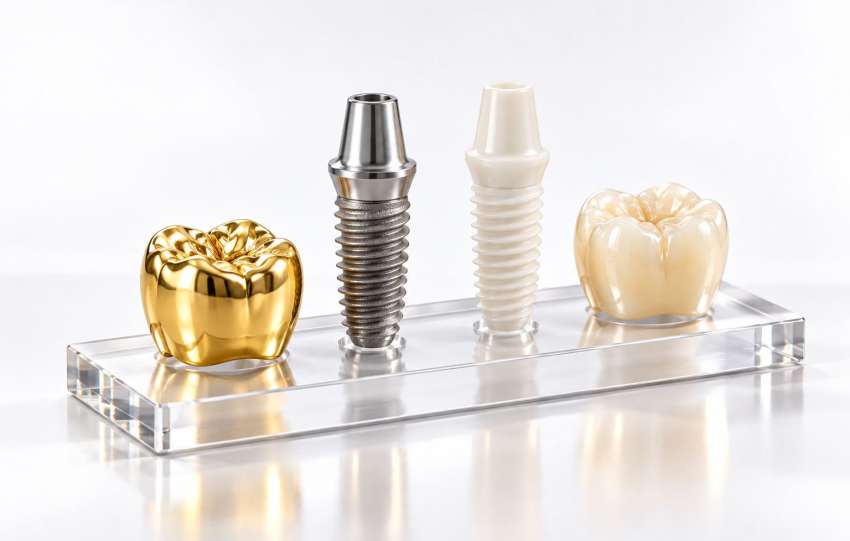
Biological dentistry covers treatments with varying levels of evidence behind them. Metal-free fillings are ordinary restorative dentistry. Ceramic implants have clinical guideline recognition. Cavitation surgery has no professional body endorsement, though the research on the underlying condition has moved recently. The table below sets each treatment against its conventional equivalent.
Treatment comparison
TreatmentConventional equivalentWhat the…
Hidden dental infections are chronic, low-grade infections in the teeth, surrounding tissues, or jawbone that often produce minimal local symptoms but may contribute to systemic inflammation and ongoing health issues.
They challenge one of the most deeply held assumptions in dentistry: that pain equals problem, and absence of pain equals health.
In many cases, that…
A root canal is a dental procedure that removes infected or inflamed pulp from inside a tooth, disinfects the canal space, and seals it so the tooth can remain in place.
That is the standard definition. It explains what the procedure does mechanically. It does not settle the harder question, which is whether a root…